
A different kind of pickup game
I watch prospects the way some people watch films they know by heart. There is the opening shot, the cue that signals something important is coming, and then the long middle where character gets made. Malloy Adrian Smith is at that long middle. He has already inherited more attention than most high school juniors, but what interests me now is how he chooses scenes. Does he add subtlety to an actor’s instincts, or does he crank up the spectacle and become a showman in his own right? I am convinced the drama will be honest, not manufactured.
How Mater Dei shapes the storyline
Playing at Mater Dei means every game is a small premiere. The program feeds him real competition, and that daily pressure tempers talent into habit. I have watched how a player’s comfort with role grows when practice hurts in predictable ways and weekend tournaments reset expectations. For Malloy Adrian Smith, those repetitions are where he will earn trust from coaches and scouts. The gym becomes a studio where possessions, not plotlines, determine the next headline.
The measurable edges that scouts care about
Numbers tell a partial truth. Minutes played, shooting splits, turnover rates, and defensive metrics all translate into slices of a player’s resume. I have noted a pattern: Malloy’s stat lines show a player trending toward two things at once – more responsibility and steadier decision making. He is tall for a guard, which buys him line-of-sight advantages on offense and defensive mismatches. If he refines his shot selection and reduces idle dribble time, those advantages become exploitable matchups rather than unfulfilled potential.
Summer circuits and the unseen homework
Summer travel circuits are where reputations get clarified. I have tracked prospects who bloom under that pressure and others who wilt. For Malloy Adrian Smith, showing up to those stops means more than one highlight clip. It is about adapting to tournament schedules, quick defensive switches, and late-night film sessions. Those are the hidden homework assignments that separate flash from a sustainable game.
The family presence: an engine and a mirror
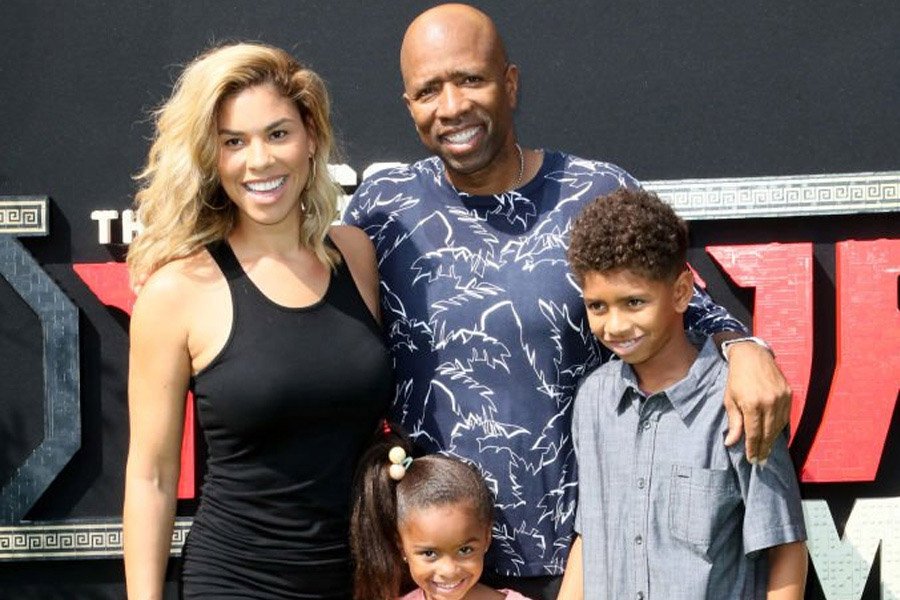
Growing up in a household where a parent is a loud, knowledgeable basketball voice gives Malloy access to coaching and perspective few teens experience. I see both the engine and the mirror in that situation. The engine provides resources: trainers, exposure, travel opportunities. The mirror reflects pressure: comparisons, expectations, and public curiosity. For a young athlete, learning when to tune the engine and when to step away from the mirror is a skill equal to any dribble move.
Brand building with intention
I follow how young players curate themselves online. Malloy Adrian Smith posts training clips and game highlights that do more than entertain. They document a narrative. Smartly done, a social profile can be a compact scouting dossier: timed sprints, shooting mechanics, finishing moves, and glimpses of basketball IQ. I think of his online presence as a short film trailer; it should tease depth without giving away the entire plot. Once college eligibility begins and NIL opportunities appear, that trailer will be currency. The key is to keep the footage grounded in growth, not just spectacle.
Recruiting: timing, fits, and projection
Recruiting is both calendar and chemistry. Coaches will watch season trends and summer events, then place calls based on need and projection. I do not treat offers as destiny. For Malloy Adrian Smith, a range of outcomes is possible: a program that wants his versatility as a ball-handling wing, or a team that sees him as a high-IQ scorer in transition. The most useful fits will be places that promise minutes and developmental coaching rather than purely brand alignment. In recruiting, how a player projects next year matters more than his highlight reel from last season.
The fragility of momentum
Momentum is a delicate thing. A minor injury, a coaching shuffle, or a crowded depth chart can stall an ascent. I have seen seasons evaporate when expectations outrun preparation. For Malloy, maintaining consistent work habits and prioritizing durability will be as important as finishing drills. Athletic development is a long arc. Tendon health, recovery routines, and sleep are as decisive as a new three-point stroke.
Scenes I keep replaying
There are moments that reveal character better than any stat line. A late-game defensive rotation. A quiet training session when the lights are off and the ball still bounces. A humble conversation with a coach after a missed assignment. I replay these scenes to remind myself that talent is only half the story. Malloy Adrian Smith’s next two seasons will be defined by a string of such small decisions, strung together like beads on a chain.
FAQ
Who are Malloy Adrian Smith’s parents?
Malloy is the son of Kenny Smith and Gwendolyn Osborne-Smith. That family background provides both practical resources and public interest. I see their roles as supportive rather than prescriptive, with the caveat that public attention can create pressure in equal measure to privilege.
How old is Malloy and when does he graduate?
He was born on March 26, 2008, which places him in the Class of 2026. I view this as a finite window for proving readiness to college programs and refining the kind of habits that sustain performance under higher-level scrutiny.
What position does he play and how tall is he?
Malloy plays on the perimeter as a guard or wing and is listed around 6 feet 5 inches to 6 feet 6 inches. Those physical dimensions create matchup flexibility. To me, his positional versatility is a strategic asset, provided he fine-tunes his ball skills and defensive instincts.
Is Malloy attracting college recruiting attention?
Yes, he is on recruiting radars and attends summer circuits that draw college scouts. I do not treat interest as guarantees. The decisive factors will be consistent performance during the season and how he handles the higher-intensity environments that follow.
Does Malloy have a public net worth?
No. As a minor, Malloy Adrian Smith does not have a public net worth estimate. What matters more for an athlete in his stage is access to coaching, competition, and exposure, all of which he has in abundance.
What should fans watch for next season?
Watch his role clarity, minutes per game, and whether his decision making tightens under traffic. I also pay attention to how he handles increased defensive focus and whether he expands his range without sacrificing shot quality. These are the subtle moves that forecast long-term trajectory.