
Early impressions I carry with me
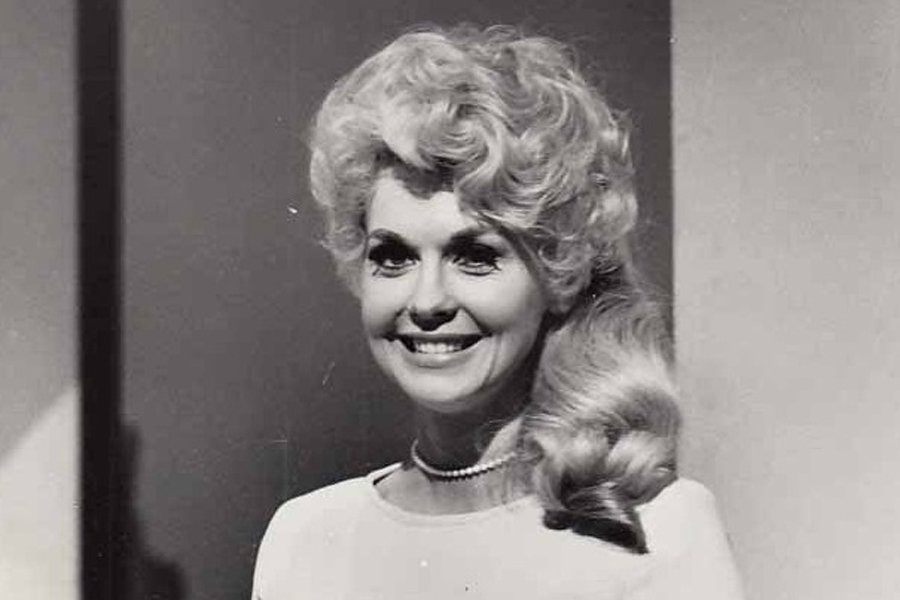
I remember watching her on television as a child and thinking she could have leapt right off the screen and into my backyard. That image stuck with me as I dug deeper into the life behind the smile. Donna Douglas was more than the lovable tomboy everyone remembers. She lived braided lives: performer, mother, gospel singer, writer, real-estate agent, litigant, and keeper of a private faith. Each role added a stitch to a quilt that still warms collectors, fans, and family members.
Her screen persona radiated an effortless ease, but I learned that ease was anchored in discipline. She had years of early hustle as a model and variety show presence before the sitcom that defined her. Those early gigs taught her how to move in front of a camera, how to make small gestures read large to millions. I now see Elly May as an instrument she tuned carefully, not an act she drifted into by chance.
The business of being Elly May
To be the face of a pop culture phenomenon is to have your likeness become legal property in other people’s hands. Donna Douglas rode the tidal wave of syndicated television revenue and then sailed into choppier waters: licensing fights, disputes over image use, and the complex arithmetic of residual payments. These were not academic issues for her; they affected the bottom line and the stewardship of her legacy.
I found myself reflecting on the strange economy of celebrity. A wardrobe, a signed photo, a coy publicity still; these objects accrue value like pebbles on a beach. Fans pick them up, trade them, and sometimes turn them into small altars of memory. For Donna, that meant careful choices about how her name and image were sold, reproduced, and protected. There were courtroom skirmishes. There were private settlements. That friction is part of the human cost of being forever associated with an indelible character.
Later life: music, ministry, and a quieter spotlight
I was struck by how deliberately she shifted stages. After her run on television, she did not vanish into nostalgia. She reoriented herself toward gospel music and ministry. Those choices reveal a person who wanted an authentic second act, one aligned with personal belief rather than commercial demand. Her gospel recordings and speaking engagements read like a map of someone pointing back to the values that mattered most to her.
She also wrote for children and cooked for friends. Small creative acts continued to mark her days. I picture her in a kitchen, scribbling recipe notes, then later signing a children’s book for a wide-eyed fan. Fame narrowed where it needed to, but did not erase these quieter joys.
Family, marriage, and the human ledger
I think about family when I think about how a life is tallied. She had relationships that mattered deeply to her personal story: early marriage and motherhood, later marriage to a director, and the network of nieces, nephews, and a son who carried forward memories and responsibilities. The human ledger of her life includes caregiving, celebration, and sometimes legal arguments over estates and rights.
Estate planning is often a tacit, messy negotiation between sentiment and pragmatism. Her estate value, modest by Hollywood reckoning, still required attention and eventually led to the dispersal of personal items. I can imagine the strain and the relief: strain in deciding what belonged to whom, relief when cherished objects found new homes with fans who appreciated them.
Collecting, auctions, and the afterlife of objects
There is an economy that blooms after a star leaves the stage. I watched registers of auctions, private sales, and the slow migration of memorabilia out into the world. Photographs, costume pieces, and signed albums travel from bedroom walls into collector showcases, where provenance becomes a conversation starter. These objects tether memory to material things, which comforts some and unsettles others.
I find the auction table to be a kind of secular reliquary. The room hushes for a moment when a prized item emerges. That pause is a form of reverence. For fans, buying a piece of history is a way to summon a shared emotional geography. For heirs, selling can be a way to settle practical affairs and to let fans steward the tangible remnants of a public life.
The public memory and small acts of grace
Public remembrance is patchwork. Networks rerun episodes. Fans post stills. Churches remember her ministry. These acts, small and repeated, keep a life in circulation. I think of memory as a hearth that requires tending. Fans, collectors, and family members stoke that fire by telling stories, preserving photos, and playing her music to new ears.
There is also a tenderness in how community memories differ from press accounts. People who met her at speaking events recall a grounded warmth. Those who worked with her remember a professionalism that belied the playful screen persona. I read these recollections like marginalia in a beloved book; they do not replace the main text, but they enrich it.
FAQ
Who was Donna Douglas?
Donna Douglas was an actress and singer who became widely known for a signature television role. Beyond that role she pursued gospel music, authored books, worked in real estate, and spoke at charitable events. She carried a public persona and several private pursuits with equal care.
What legal and business issues did she face?
Like many performers whose likeness becomes valuable, she navigated disputes over licensing and image rights. These issues included litigation and out-of-court settlements that shaped how her image and memorabilia were used commercially. The business side of celebrity was a real and often legal landscape she had to traverse.
Did she have children and family survivors?
Yes. She was a mother, and her family included a son and extended relatives who survived her. Family members appeared in public statements and in private roles, sometimes managing estate matters and memorials.
What happened to her personal items and memorabilia?
After her passing, a number of personal items entered the collectors market and were featured in auctions and sales. Signed photographs, recordings, and other items connected to her career surfaced periodically through auction houses and private sellers. These items now live with collectors, museums, and fans who value them as pieces of popular culture.
How did she spend her later years?
She devoted significant energy to gospel music and to speaking engagements, often appearing at fundraisers and church events. She also wrote for children and explored other creative outlets. Her later years blended artistic expression with community involvement and personal devotion.